

The 4-Hour Fitness Plan for Men and Women Over 40
If you’re over 40, busy with work, family, and responsibilities, one question comes up again and again:
How much exercise do I actually need to stay fit, healthy, and strong?
Social media often suggests you need daily workouts, complicated routines, and perfect nutrition to see results.
But for most people over 40, time is the most limited resource.
The good news is this:
You don’t need endless hours in the gym.
In fact, a well-structured four-hour weekly training plan can be enough to significantly improve your health, strength, and energy.
Let’s break down what that looks like.
The 4-Hour Fitness Formula for Adults Over 40
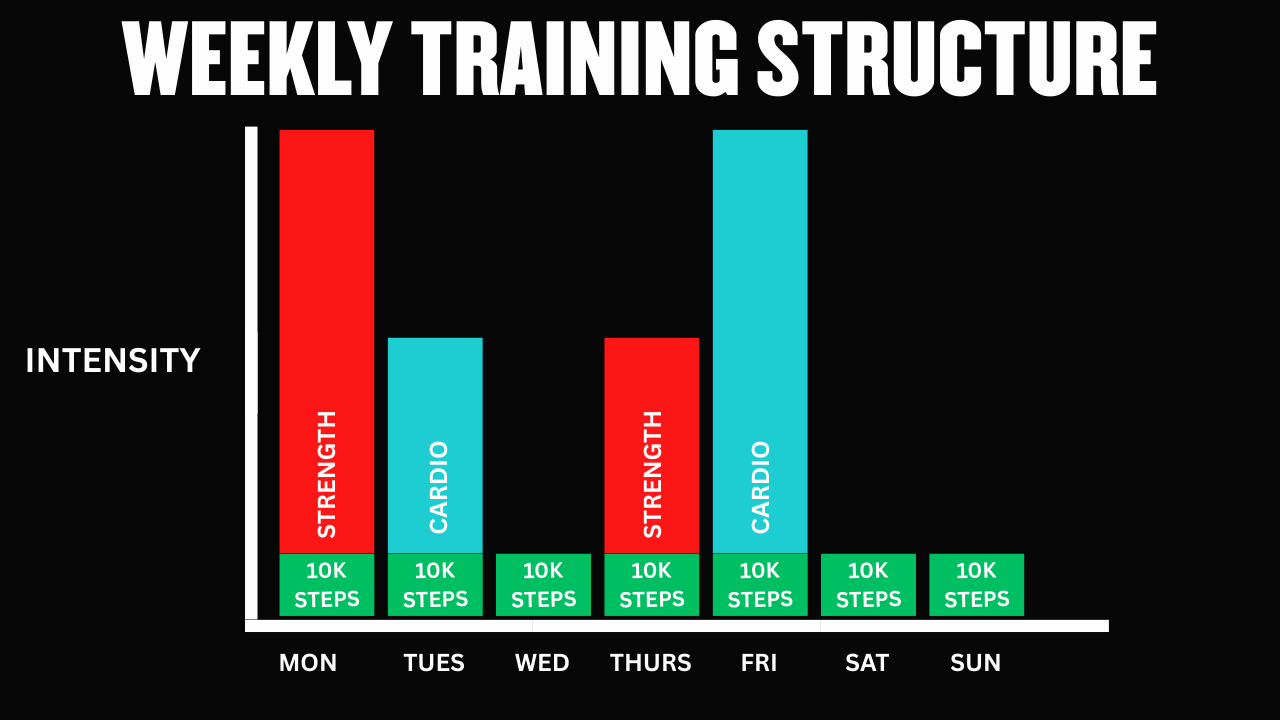
In my experience coaching busy adults, a simple framework works extremely well.
Four hours per week of structured training:
• 2 resistance training sessions (preferably free weights)
• 2 cardio sessions in Zone 2
• 2 cardio sessions in Zone 2
Alongside this:
• Aim for 10,000 steps per day
• Prioritise hydration
• Manage alcohol consumption
• Follow a simple nutrition structure
• Prioritise hydration
• Manage alcohol consumption
• Follow a simple nutrition structure
This approach follows the principle of the minimum effective dose.
In other words:
Do enough training to stimulate progress, but not so much that recovery becomes compromised.
For adults over 40, this balance becomes increasingly important.
The Health and Wellness Continuum
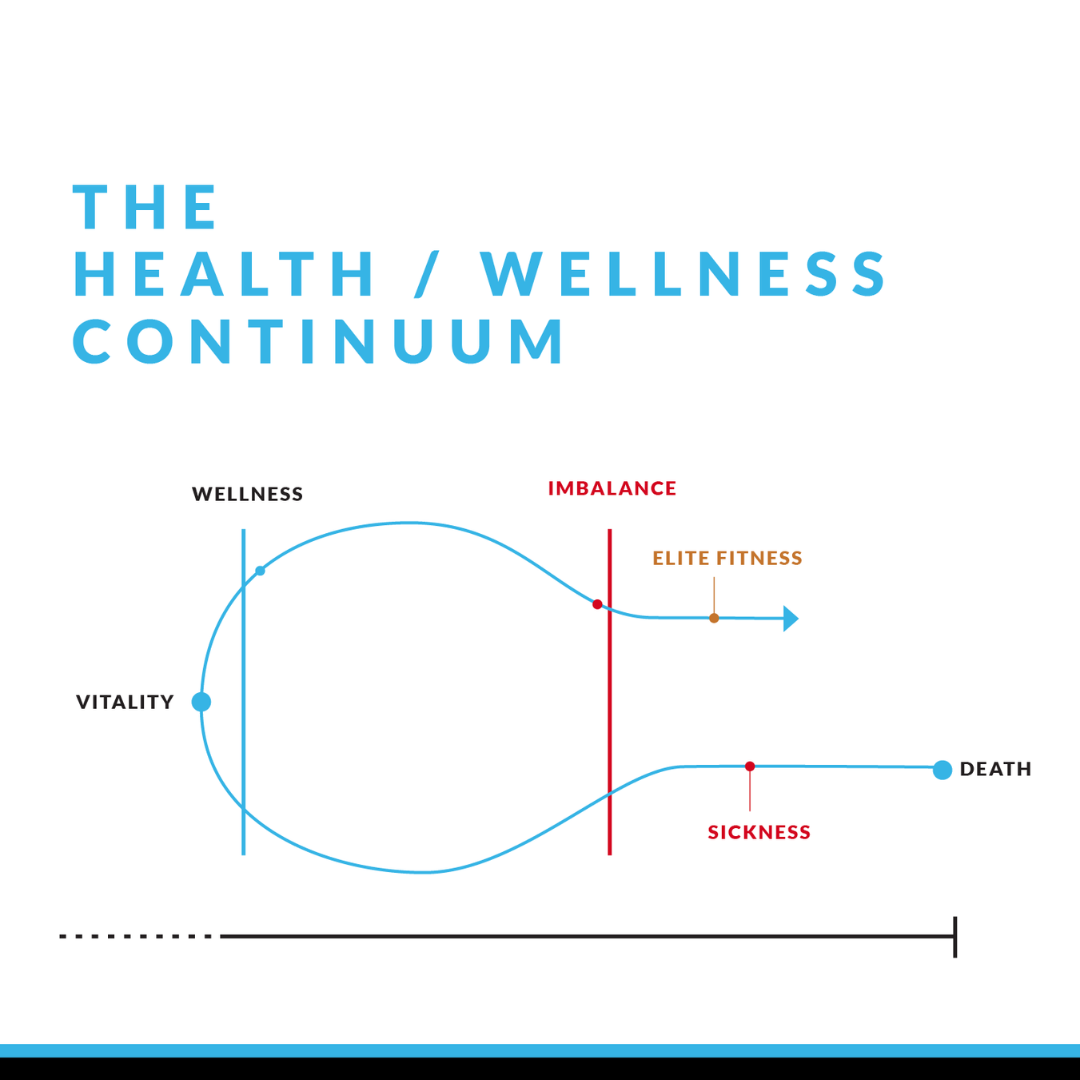
The Health and Wellness Continuum: Fitness doesn’t have to be extreme to be valuable.
Think of health as existing along a looping continuum. At one end is inactivity and declining health.
At the other end is vitality and wellness. This loops right back around to the imbalance of elite fitness, which in very many cases is not health nor wellness (but that's a story for another post). Most people over 40 are not trying to become professional athletes. Instead, the goal is to move steadily along that continuum toward greater strength, better cardiovascular health, improved energy levels, and long-term resilience. You don’t need perfection. You need consistency.
At the other end is vitality and wellness. This loops right back around to the imbalance of elite fitness, which in very many cases is not health nor wellness (but that's a story for another post). Most people over 40 are not trying to become professional athletes. Instead, the goal is to move steadily along that continuum toward greater strength, better cardiovascular health, improved energy levels, and long-term resilience. You don’t need perfection. You need consistency.
The Reality of Time for Adults Over 40
Men and women over 40 often have more responsibilities than ever before. Career pressures increase.
Family commitments grow.
Free time becomes scarce. Because of this, efficiency and effectiveness become the pillars of a successful training program. A plan that requires 10 hours per week may look impressive on paper, but it’s unrealistic for most people. A four-hour weekly structure, however, is far more achievable and far more sustainable. Check out the time management video from Mike Gillette in one of my old posts here -Mike Gillette
Family commitments grow.
Free time becomes scarce. Because of this, efficiency and effectiveness become the pillars of a successful training program. A plan that requires 10 hours per week may look impressive on paper, but it’s unrealistic for most people. A four-hour weekly structure, however, is far more achievable and far more sustainable. Check out the time management video from Mike Gillette in one of my old posts here -Mike Gillette
Setting Goals That Actually Work
Goals help give training direction.
But the purpose of a goal is not just the outcome itself.
The real purpose is to help you become the type of person capable of achieving it.
Examples of meaningful goals for people over 40 might include:
• Running a 5K
• Completing a half marathon
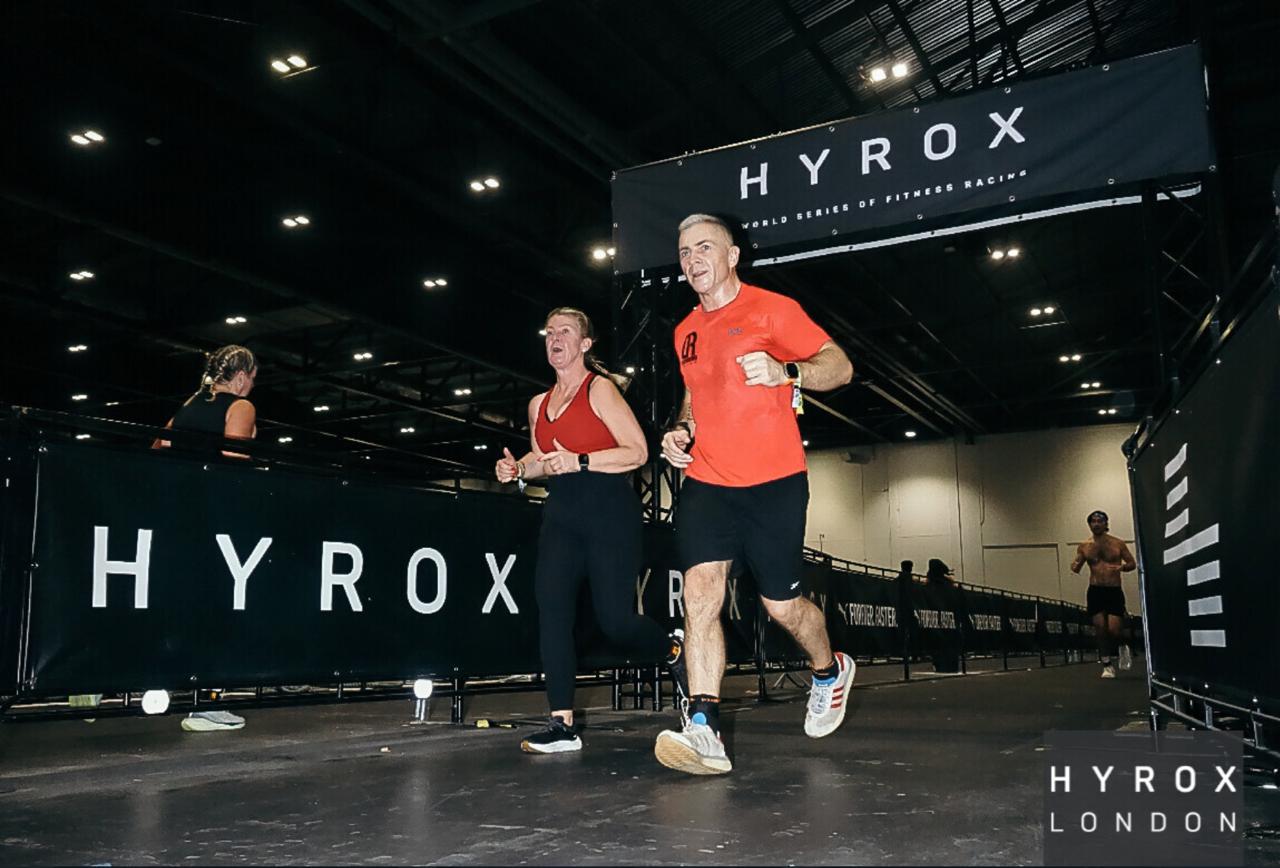
• Entering a HYROX event
• Competing in a functional fitness competition
• Improving strength benchmarks in key lifts
• Completing a half marathon
• Entering a HYROX event
• Competing in a functional fitness competition
• Improving strength benchmarks in key lifts
These types of goals create focus without requiring unrealistic training volumes.
What Results Can You Expect After 40?
It’s important to be realistic.
The dramatic “movie star transformations” often promoted online usually require:
• unlimited time
• personal chefs
• full-time coaching
• or sometimes chemical assistance
• personal chefs
• full-time coaching
• or sometimes chemical assistance
Most people over 40 have careers, families, and real-life constraints.
But that doesn’t mean progress is impossible.
With consistent training, you can realistically expect the following:
• improved strength
• better cardiovascular fitness
• reduced body fat
• more muscle tone
• increased energy
• improved confidence and resilience
• better cardiovascular fitness
• reduced body fat
• more muscle tone
• increased energy
• improved confidence and resilience
These are meaningful, lasting outcomes.
The Mental Side of Fitness: Adherence Matters Most
The most effective training plan in the world is useless if you don’t follow it. This is where adherence becomes the most important factor. The perfect program is the one you can stick to. For example: A mediocre gym five minutes away is often better than an amazing gym twenty minutes away. Why? Because convenience dramatically increases consistency. If something requires too much effort to start, excuses quickly appear. Remove friction wherever possible.
Testing: How to Know If Your Training Is Working
One mistake many people make is training without ever measuring progress. If you don’t test periodically, it becomes difficult to know whether your training program is actually working. Testing doesn’t need to be complicated. Simple, repeatable tests are often the most useful.
Examples might include:
• How many press-ups you can perform in one minute
• Improvements in a 5K run time
• Strength increases in key lifts such as squats or deadlifts
• Changes in your one-rep maximum
• Improvements in a 5K run time
• Strength increases in key lifts such as squats or deadlifts
• Changes in your one-rep maximum
Testing doesn’t need to happen every month. In most cases, every three months is sufficient to identify meaningful progress. Testing provides feedback. And feedback allows you to adjust your training intelligently.
Using Wearables to Track Progress
Modern wearable technology has made it easier than ever to monitor health and recovery.
Devices such as Whoop, Apple Watch, or Garmin can track useful metrics, including the following:
• heart rate
• resting heart rate
• sleep quality
• recovery scores
• estimated VO₂ max
• resting heart rate
• sleep quality
• recovery scores
• estimated VO₂ max
These metrics shouldn’t be treated as perfect measurements, but they can be extremely helpful directionally. For example, over time you might notice the following:
• resting heart rate gradually decreasing
• improved recovery scores
• an increase in estimated VO₂ max
• better sleep consistency
• improved recovery scores
• an increase in estimated VO₂ max
• better sleep consistency
When these trends improve, it’s often a sign that your training and recovery balance is working.
Nutrition for Men Over 50 Doesn’t Need to Be Complicated.
One of the biggest problems I see with nutrition today is unnecessary complexity. Between:
• weight-loss injections like Ozempic or Mounjaro
• macro-tracking apps
• fasting protocols
• biohacking strategies
• endless “optimal” advice online…
• macro-tracking apps
• fasting protocols
• biohacking strategies
• endless “optimal” advice online…
It's easy for people to feel overwhelmed. Before we reach for extreme interventions, we should start with a much simpler question: What are you actually eating every day?
My approach is intentionally simple. And deliberately repetitive.
For example:
• Breakfast stays the same
• Lunch (nine times out of ten) is based around eggs
• A normal balanced dinner in the evening
• Chocolate is a treat, not a daily habit
• Alcohol is limited to Friday and Saturday
• Sunday to Thursday is alcohol-free
• Lunch (nine times out of ten) is based around eggs
• A normal balanced dinner in the evening
• Chocolate is a treat, not a daily habit
• Alcohol is limited to Friday and Saturday
• Sunday to Thursday is alcohol-free
This consistency reduces decision fatigue and creates stability. Which is exactly what most people over 50 need and if you'd like a copy of my Abs Past Forty ebook, you can download it here. Abs Ebook
The Bottom Line
If you’re over 40 and struggling to find time for fitness, remember this: You don’t need a complicated plan. You need a repeatable structure that fits your life. A simple framework works extremely well: 4 hours of structured training per week
• 2 resistance training sessions
• 2 Zone 2 cardio sessions Alongside:
• 2 Zone 2 cardio sessions Alongside:
• daily movement (10,000 steps)
• consistent nutrition
• proper hydration
• controlled alcohol consumption
• consistent nutrition
• proper hydration
• controlled alcohol consumption
Periodic testing and tracking might not sound glamorous. But when repeated week after week, these simple habits produce powerful long-term results.